YemenNow
Archive of abuses
Every incident recorded since 21 September 2014, newest first. Use the filters to narrow it down.
Landmine blows up passenger minibus in al-Rubai'i, Taiz: eight civilians killed including a child and a woman, eight wounded
Mwatana for Human Rights documents that a landmine exploded under a minibus carrying 16 passengers at about 1 pm on Saturday 23 April 2016 in al-Rubai'i, Al-Ta'iziyah district, south-west of Taiz, killing eight, including a child and a woman, and wounding eight others, including four children and two women. The bus was using a side road after Saleh and Houthi forces closed the main road. A witness told Mwatana the area was under Houthi control, that the group had closed side roads there some time earlier after clashes with the resistance, and that the nearest Houthi position was about 100 metres from the blast. Mwatana's landmine report attributes the mines to the Houthis and Saleh forces.
Killed 8 · Injured 8 (children 4, women 2)Sanaa prosecutors seek maximum penalty against detained Baha'i Hamid Kamal Muhammad bin Haydara; hearing set for 3 April 2016
Human Rights Watch said on 1 April 2016 that Hamid Kamal Muhammad bin Haydara, a Baha'i arrested in Sanaa on 3 December 2013 and still detained, is on trial before the Specialized Criminal Court on charges including working for a foreign state, insulting Islam and apostasy, and that prosecutors seek the 'maximum possible penalty', which includes death. Baha'i monitors counted 13 hearings, he attended three; the next was set for 3 April. His arrest predates the Houthi takeover; the incident recorded is his continued detention and trial under the Sanaa authorities.
Detained 1Boy, 17, killed and cousin, 14, wounded by landmine in al-Hashfa, Harib district, Marib, after Houthi-Saleh forces withdrew
Mwatana documents that a 17-year-old boy was killed and his 14-year-old cousin wounded by a landmine in the al-Hashfa area of Harib district, Marib, on 22 March 2016, after Houthi and Saleh forces withdrew and government forces and the resistance took the area. The injured boy's father told Mwatana the two went at 2 pm looking for weapons the Houthis might have left, and that his son underwent surgery for torn intestines at Marib hospital. Mwatana's report attributes the mines to the Houthis and Saleh forces.
Killed 1 (children 1) · Injured 1 (children 1)Boy, 11, killed by landmine while playing near his school in Houthi-Saleh-controlled area of al-Bayda
Mwatana for Human Rights documents that an 11-year-old boy was killed at about 5:30 pm on Thursday 10 March 2016 when he stepped on a buried landmine while playing with classmates on ground near the 22 May school in the Qoa'at Al Muzaffar area of al-Bayda district. His father told Mwatana he found the boy with head shrapnel wounds who bled to death, that the area was controlled by Ansar Allah (the Houthis) and Ali Saleh's forces, and that a patrol of the group reached the scene but did nothing. Mwatana's report on landmines attributes the mine to the Houthis and Saleh forces.
Killed 1 (children 1)Two brothers and a third man wounded by landmines at a family home in al-Hasseb, Taiz, after Houthi forces withdrew
Human Rights Watch documents that on 9 March 2016 at about 10:30 am two brothers returned to their family home in al-Hasseb, Taiz, which the family had fled in June 2015, and a landmine exploded: one (27) later had his right foot amputated and his brother (26) was wounded; a second mine exploded about five metres away as a third man, Hazem, went to help, and his left leg was amputated. HRW says Houthi forces had occupied the neighbourhood until they withdrew and cites media reports that Houthi and allied forces laid mines there, but it does not explicitly attribute these two mines to them.
Injured 3Journalist Mohammed al-Yamani killed by reported Houthi sniper, photographers wounded while covering fighting in western Taiz
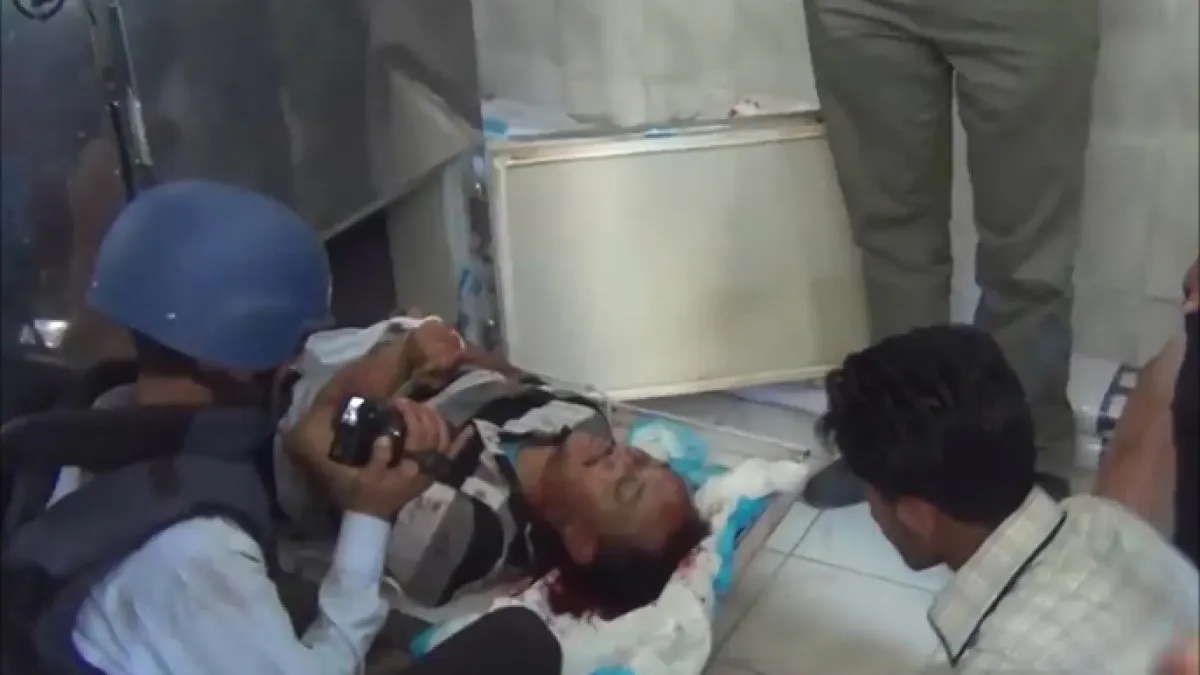
Al Jazeera reported on 22 March 2016, citing its correspondent Hadeel Al-Yamani, that journalist Mohammed Al-Yamani was shot dead by a Houthi sniper and several photographers were wounded while covering fighting between the army and popular resistance and the Houthi and Saleh-loyal forces on the Al-Dabab front, west of Taiz. Journalist Amin Dabwan told Al Jazeera the victim's real name was Mohammed Mohammed Ghaleb Al-Majidi. The account is the correspondent's own and is not independently verified; the exact day is not stated.
Killed 1Pro-Houthi forces seize Al-Sahwa Net editor Abdallah al-Minefi and Hussein al-Aysi from their homes in Dhamar
The Committee to Protect Journalists reported on 19 February 2016 that pro-Houthi forces seized Abdallah al-Minefi, editor of the anti-Houthi news site Al-Sahwa Net, from his home in Dhamar late on Thursday (reportedly 18 February); his whereabouts were unknown. According to news reports, Hussein al-Aysi, Islah party media officer described by the site as a correspondent, was taken from his home in Dhamar around the same time. The Yemeni journalists' syndicate also said pro-Houthi forces were holding Mohamed Shamsan, head of its training committee, without stating when he was taken.
Detained 2Journalist Ahmed al-Shaibani shot dead in the head while covering a factory fire in al-Hasab, Taiz
According to the Committee to Protect Journalists, journalist Ahmed al-Shaibani was shot in the head on 16 February 2016 in al-Hasab, western Taiz, while covering a fire at a plastics factory hit by a shell; both his employers (Yaman News website and state-run Yemen TV) said he was shot by gunmen belonging to the Houthi alliance. Masrawy reports he was 34 and was hit by a sniper without naming the sniper's affiliation. The attribution to the Houthis therefore rests on his employers and colleagues rather than an independent investigation.
Killed 1Amnesty: Houthi forces and allies deliberately block medical supplies and food into Taiz amid deaths from lack of oxygen and dialysis, February 2016
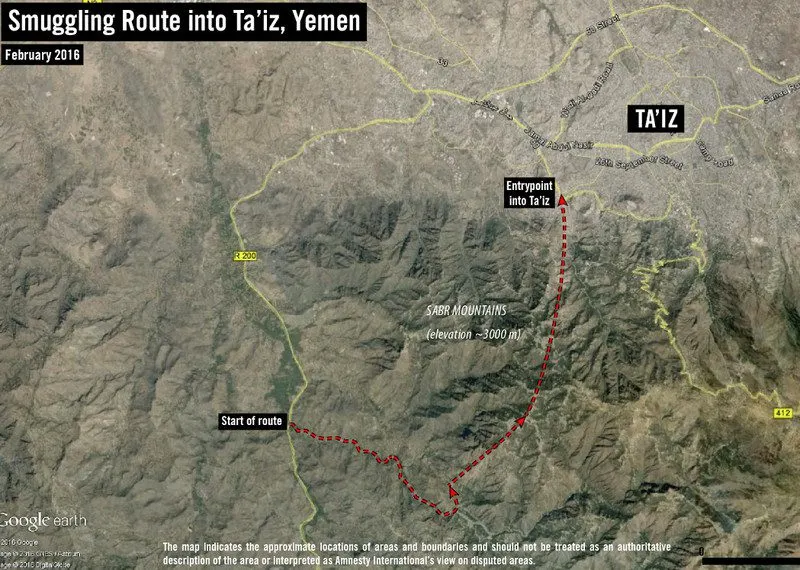
Amnesty International said on 10 February 2016, as reported by Al Jazeera, that the Houthis and allied forces were deliberately blocking medical supplies and food into Taiz, with only four hospitals still operating; it cited doctors reporting 18 deaths, including children, from a shortage of oxygen cylinders. The Taiz health office reported 73 deaths in three months among kidney-failure patients and about 7,600 wounded needing urgent treatment or evacuation. Al Jazeera reported on 11 February that the WHO delivered more than 20 tons of medicines and 170 oxygen cylinders after months of siege, and that Houthi forces still blockaded the Al-Muzaffar, Al-Qahira and Salah districts. Neither report includes a Houthi response.
Houthi gunmen raid Sanaa apartment, detain journalist Nabil al-Sharabi and five activists
According to Reuters, Houthi gunmen stormed an apartment in Sanaa at dawn, detained journalist Nabil al-Sharabi, who had worked for the daily Akhbar al-Youm that the Houthis closed, and five activists, and took them to an unknown location; activists said the gunmen fired shots when the men tried to escape. Houthi representatives could not be reached for comment. The coverage adds that the Yemeni Journalists Syndicate said the Houthis had been holding 12 other journalists for several months.
Detained 6Houthi-Saleh Katyusha and mortar shelling of residential districts in Taiz kills civilians including children, wounds dozens
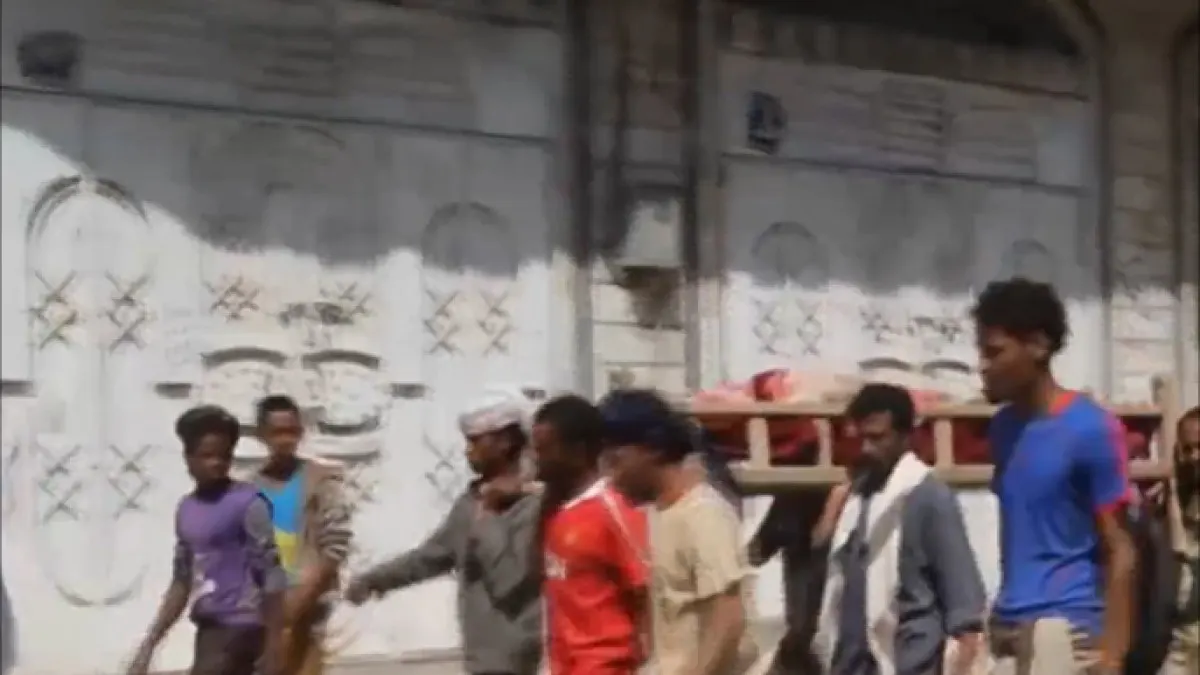
Al Jazeera reported on 28 January 2016, citing Yemeni medical sources, that Houthi and Saleh-loyal Katyusha and mortar fire on residential districts of Taiz killed five civilians and injured 29, seven of them children. The next day it reported, citing medical sources, 11 civilians killed (five of them children) and 66 injured in 24 hours, with Anadolu Agency reporting seven dead and twenty injured in al-Kawthar, al-Dahi, al-Shamasi and the Qal'at al-Qahira area. The figures were not independently verified and the two tolls may overlap.
Killed 11 (children 5) · Injured 66Dozens of WFP relief trucks held at Houthi-Saleh checkpoint northeast of Taiz
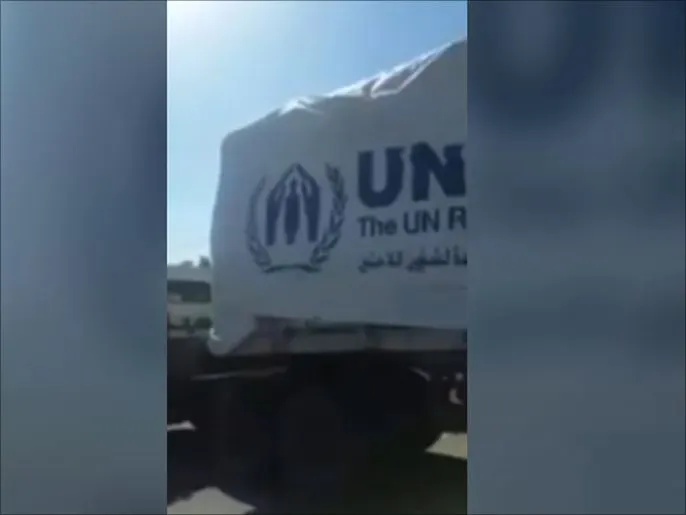
Al Jazeera reported on 3 January 2016, based on photos it obtained, that Houthi and Saleh-loyal forces held dozens of World Food Programme trucks at a checkpoint in the al-Dhakra area near a gas station northeast of Taiz. The exact number of trucks is not given.
Houthi members confiscate 34 oxygen cylinders bound for al-Thawra hospital, hold driver three days, January 2016
Amnesty International reported in February 2016 that in January Houthi members confiscated a delivery of 34 oxygen cylinders bound for al-Thawra hospital in Taiz and held the driver for three days; according to activist Samar Ameen, who relayed his account, he was humiliated and pressured to confess he planned to give the oxygen to opposition groups. Amnesty said the Houthi group and its allies control all routes into Taiz and appear to be deliberately barring civilian goods, and that four hospitals were sharing 20–30 cylinders a day versus 200–250 before the conflict. Human Rights Watch (31 January) documented similar checkpoint seizures since 13 December 2015.
Resistance sources: Houthis blow up seven civilian homes in Ibb governorate and plant explosives around houses in al-Arish village
Al Jazeera reported on 27 January 2016, citing resistance sources, that the Houthis blew up seven civilian homes in Ibb governorate and planted explosives around other houses in al-Arish village, Al-Sabra district. The claim comes from a party to the conflict and was not verified by the outlet; the article gives no owners' names and no exact date for the bombings.
Houthi guards confiscate oxygen cylinders and vaccines and block basic goods at checkpoints around Taiz in December 2015
Human Rights Watch, based on accounts from seven Taiz residents, documented 16 incidents between 13 December 2015 and 9 January 2016 in which Houthi guards at checkpoints blocked or confiscated basic goods. They include, per Al-Thawra Hospital deputy surgery head Nashwan al-Hosami, guards confiscating 40 oxygen cylinders from a delivery driver in mid-December, and, per Eylan Abdulhaq of the Al-Mudhaffar health office, a guard throwing 600 polio and measles vaccine doses on the ground and ordering two staff to leave. Al Jazeera reported on 14 December that the Red Cross and UN OCHA accused the Houthis of blocking medical supplies to Al-Thawra Hospital and that 16 of the city's 20 hospitals were out of service.
Houthi-Saleh snipers kill several civilians walking in the streets of Taiz
The UN Panel of Experts reports that on Tuesday 10 November 2015 several civilians were killed by Houthi-Saleh snipers while walking in the streets of Taiz city; it gives no number. Its report also includes an undated social-media photograph from a local critic of a woman said to have been shot by snipers while going out to buy bread.
Al Thawra Hospital in Taiz shelled again on 8 November after shelling on 24–25 October
The UN Panel of Experts reports that Houthi-Saleh forces indiscriminately shelled Thawra Hospital in Taiz on 24–25 October and again on 8 November 2015 while fighting Resistance groups positioned near the hospital; it says the 25 October shelling damaged the intensive care unit. No casualty figure is given. Human Rights Watch separately reports that Al-Thawra received oxygen cylinders for the last time in the first week of November.
Houthi-Saleh shelling of residential neighbourhoods in Taiz city kills 10–11 civilians, wounds dozens
The UN Panel of Experts documents that Houthi-Saleh forces shelled residential neighbourhoods in Taiz on Wednesday 4 November 2015, killing 11 civilians and wounding 21. APA, citing Xinhua and anonymous medical sources, reported that mortar shells and rockets fired by Houthi gunmen killed about 10 civilians, including two women, and injured scores on Thursday 5 November, with a source at Rawdha hospital saying the fire was aimed at pro-government fighters but hit houses. The two accounts differ on the day and toll and may describe the same attack.
Killed 10UN relief chief accuses Houthis of closing supply routes and blocking aid to some 200,000 civilians in de facto siege of Taiz
Al Jazeera reported on 25 November 2015 that UN Emergency Relief Coordinator Stephen O'Brien accused the Houthis and allied Popular Committees of closing supply routes to Taiz, saying UN trucks remained halted at checkpoints with only very limited quantities allowed in and aid sent to the city not reaching those in need. He estimated about 200,000 civilians were living in a 'de facto siege' and that the hospitals still working were overcrowded with wounded and short of doctors, nurses, medicines and fuel.
Houthi mortar and tank shelling of Taiz neighbourhoods kills four civilians, injures 15, in days before 10 November 2015
Al Jazeera reported on 10 November 2015, citing Anadolu and a medical source, that four civilians were killed and 15 injured by shelling of several Taiz neighbourhoods, with its Taiz correspondent Hamdi al-Bakri attributing the casualties to Houthi mortar and tank shelling of residential areas. The report says the civilian death toll in the city reached 50 over one week under a tight siege; these figures were not independently verified. The exact day of the shelling is not stated.
Killed 4 · Injured 15MSF says Houthi checkpoints block essential medical supplies to two hospitals in besieged Taiz enclave
Médecins Sans Frontières said on 25 October 2015 that after weeks of negotiations with Ansarallah (Houthi) officials it could not deliver essential medical supplies (chest tubes, anaesthetics, IV fluid, sutures, antibiotics) to two hospitals in a besieged enclave of Taiz, its trucks being stopped at Houthi checkpoints. The UN Panel of Experts adds that on 30 October Houthi-Saleh forces denied access to providers carrying oxygen tanks for Taiz hospitals, and that shelling of Thawra hospital began on 25 October.
Houthi-Saleh rockets hit residential districts and a crowded market in central Taiz, killing at least 15 civilians
Al Jazeera reported on 21 October 2015 that at least 16 civilians were killed and dozens injured when the Houthis and Saleh-loyal forces shelled a crowded market and neighbourhoods in central Taiz; an AFP report carried by The Peninsula, citing medics at al-Mutahideen hospital, put the dead at 22. The UN Panel of Experts, citing media reports, documented at least 15 killed (including one woman and two children) and over 70 injured on 21 October. Separately, the UN human rights office said on 23 October that 15 civilians were killed and 73 injured when shells fired from Houthi-controlled al-Hawban hit homes, shops, a clinic and a school in Taiz; it is unclear whether this is the same attack. Figures therefore range from 15 to 22 killed.
Killed 15 · Injured 70Gunmen shut down Sawt Alyaman FM in Sanaa and detain its director and a presenter for hours
According to Mwatana, gunmen stopped broadcasting at Sawt Alyaman FM in Al-Safyia, Sanaa, on 14 October 2015, and station director Ali Alrahbi and presenter Esa Almorshidi were detained for hours. Mwatana lists the case among Houthi-authority abuses against the media.
Detained 2Four men from one family killed by antivehicle mine in al-Faw, Marib, in area Houthi fighters had held
Human Rights Watch, citing local medical professional Ali al-Tam in Marib, reports that on 13 October 2015 four men from the same family were killed and another civilian injured when their vehicle hit an antivehicle mine in al-Faw. The medic said such casualties came from mines laid in areas Houthi fighters occupied until their early-October retreat; HRW says Houthi forces appear to have used Soviet-made TM-62/TM-57 and Hungarian UKA-63 antivehicle mines. The same source recorded other Marib mine casualties that month, including a 26-year-old man killed at his farm on 22 October and a 25-year-old killed and two men (18 and 20) seriously injured on 28 October.
Killed 4 · Injured 1At least 25 activists and others arrested at Garden Hotel in Ibb during a meeting on bringing water to Taiz
According to Amnesty International, about 30 armed men in civilian clothes who said they belonged to Ansar Allah (the Houthis) raided the Garden Hotel in Ibb at about 5:15 pm on 13 October 2015, where politicians, human rights defenders, journalists and activists were meeting to discuss getting water to Taiz, and arrested at least 25 people. They were taken to the political security detention centre in Ibb; some were reportedly tortured or ill-treated and all were later released except activists Amin al-Shafaq and Antar al-Mubarizi. Al-Mubarizi was not seen again; Al-Shafaq's family visited him on 26 October, and in late October prison staff told families the two were no longer held there without saying where they had been moved.
Detained 25Journalist Mahmood Taha abducted at a checkpoint in Amran and taken to unknown location
Mwatana for Human Rights documents that journalist Mahmood Taha (45, News Yemen) was abducted on 7 October 2015 at a checkpoint in Amran and taken to an unknown location, in its report on Houthi authorities' abuses against the press.
Detained 1Eight civilians reported killed by Houthi-Saleh shelling in al-Wazeya, Taiz
The UN Panel of Experts reports that Rashad al-Sharabi, spokesperson of the Resistance in Taiz, accused Houthi-Saleh forces of targeting civilian homes and said eight civilians were killed by shelling in al-Wazeya on Saturday 3 October 2015, with many others injured. The figure comes from a spokesperson for a party to the conflict, as relayed in the Panel's report.
Killed 8Houthi shelling of residential districts in Taiz city kills seven including a child, injures over twenty
Al Jazeera's correspondent in Taiz reported on 21 September 2015 that shelling by the Houthis and forces loyal to ex-president Ali Abdullah Saleh on several residential neighbourhoods killed seven people, including a child, and injured more than twenty. The same report says Houthi snipers killed two paramedics. On 27 September Al Jazeera, citing medical sources, said about 40 civilians had been killed and 120 wounded in under a week by shelling of the city's residential areas.
Killed 7 (children 1)PPM-2 antipersonnel mine found under a tree near al-Nasr Camp in Khormaksar, Aden
Human Rights Watch reports that on 14 September 2015 deminers cleared a PPM-2 antipersonnel mine from under a tree near al-Nasr Camp in Khormaksar, next to Aden International Airport, apparently laid to harm people sheltering in its shade. No casualties were reported in this case. HRW said in an earlier report (5 September 2015) that Houthi forces apparently laid antipersonnel mines in Aden before withdrawing in July, but its November report does not name a party for this specific mine, so attribution here is inferred from that pattern.
Houthi-Saleh forces impose virtual siege on Taiz city from early September 2015
The UN Panel of Experts on Yemen says in its final report that Houthi-Saleh forces imposed a virtual state of siege on Taiz from the beginning of September 2015. Staff of two international NGOs told the Panel that little if any commercial goods or aid could enter the city's districts of Al Mudhafer, Al Qahirah and Al Salh. The report also quotes the UN human rights office (23 October 2015) saying popular committees affiliated with the Houthi-Saleh forces prevented traders and residents from crossing checkpoints.